

By Khadijat Shehu
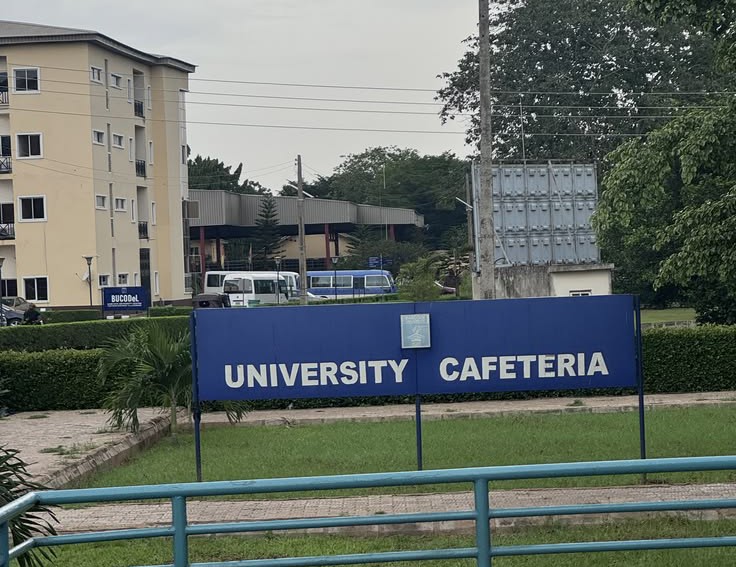
For many Nigerian university students, buying food has become a daily financial decision. As the cost of meals puts pressure on their budgets, some students are adjusting what they eat, while others are reducing how often they eat. Around Al-Hikmah University, Ilorin, these changes show how rising food prices can affect students’ everyday lives.
According to Robiat a 300 level student of English Studies at Al-hikmah university, she manages her expenses by eating less frequently. However Fatima a 300 level student of public health, also at Al-hikmah university, she has had to reconsider her food choices to make her pocket money last longer.
For Robiat, buying food outside is not always the first choice. However, after tiring days of lectures, preparing food may not be convenient. She estimates spending about ₦3,500 on days when they buy food outside.
“I generally eat only once a day,” Robiat said, explaining that fruits such as watermelon and oranges, alongside snacks, helps her manage hunger between meals. Robiat also added that rising food prices have not significantly changed her food choices, although eating less frequently remains part of her routine.
It’s a different experience for Fatima, who spends approximately ₦5,000 daily on food. Previously, she was accustomed to eating three to four times daily, including late-night meals, however she now spends more time planning meals and checking prices before making any purchasing decision.
“When I’m faced with expensive options, I have to stop and reconsider,” Fatima explained. Fatima added that she often go for cheaper alternatives in order to manage her spending and make her money last longer.
Although Robiat and Fatima have different food budgets and habits, their experiences highlights the personal decisions that come with the rising cost of feeding while studying. For some, managing food expenses involves changing meal choices; for others, it may mean adjusting how frequently they eat.
Food prices around Al-Hikmah University, particularly in Adewole Housing Estate, Adeta Road, provides another picture of the challenge. Based on menu prices observed while embarking on this report, a portion of rice and beans costs about ₦1,500, while swallow meals ranges from ₦1,500 to ₦2,000. A plate of food with a piece of chicken was reported to have increased in price from ₦2,700 to ₦2,900.
Students who are not financially bouyant spend between 800 and 1000 for a plain dish of rice without protein. While prices may vary depending on the vendor, portion size and meal purchased; slight difference in prices can influence what students working with limited allowances can decide to purchase.
Food Vendors have also attributed the factors responsible for high cost of meals to; increased shop rent, electricity bill, security levy, transport cost and other miscellaneous procurement.
Some students and consumers also noted transportation costs and expenses along the supply chain as possible reasons for high cost of meals.
The experiences of students around the university community of Al- hikmah university, Ilorin, reflects a wider concern about food affordability in Nigeria, particularly for tertiary institutions stidents.
According to the National Bureau of Statistics’ August 2026 Consumer Price Index report, Nigeria’s headline inflation rate stood at 15.39 per cent year-on-year, while food inflation stood at 19.57 per cent, down from 20.31 per cent in July and 25.30 per cent in August 2025.
Although the nation’s food inflation rate declined, this does not mean that food prices returned to their previous levels. Rather, it implies that food prices were rising at a slower rate compared with the same period in the previous year.
For students who depend on fixed allowances, this disconnect in declining food inflation rate and cost of food matters, because the cost of meals may still be difficult to manage.
The national figures provide a wider economic picture of how food prices are changing, while the experiences of the students interviewed shows how food costs can affect individual choices in different ways. One student said prices had not significantly changed her food choices, while the other now check prices more carefully and opts for cheaper meals.
For students, deciding what to eat is not always simply a matter of preference. It can involve balancing the cost of a meal against the money available for the rest of the day. Some may adjust their spending, while others may change their eating habits.
The experiences of Robiat and Fatima do not represent every university student, but they offer a glimpse into how food prices can shape campus life. As the cost of feeding remains a concern, affordability is not just about the price written on a menu; it is also about whether students can consistently afford the meals they need while meeting their other daily expenses, and also attaining maximum focus in their academic pursuit.